
Scalable Nanopowder Coating Technology for Advanced Additive Manufacturing
Additive manufacturing is entering a new era, one where material performance, not just machine capability, defines competitive advantage. A breakthrough development in nanopowder coating technology is now unlocking new possibilities for high-performance metal powders at industrial scale.
Recent trials have demonstrated a commercially viable method for applying boron nitride nanopowder coatings to 316L stainless steel additive manufacturing powders, overcoming one of the most persistent barriers in advanced powder engineering: uniform nanoscale dispersion.
The Challenge: Controlling Nanoparticles at Industrial Scale
Nanoparticles offer enormous potential in metal additive manufacturing. When successfully incorporated into metal matrices, they can enhance:
- Mechanical strength
- Thermal stability
- Wear resistance
- Microstructural control
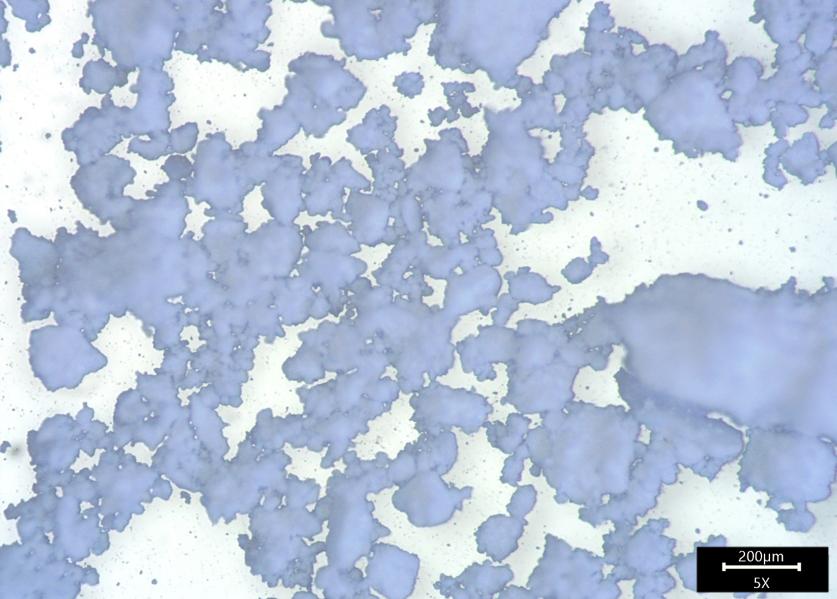
However, nano powders naturally form large agglomerates due to strong adhesive forces. These clusters prevent consistent coating, reduce flowability, and limit scalability—making industrial adoption difficult.
Initial investigations revealed that commercially supplied boron nitride nano powder contained significant agglomeration, requiring innovative pre-processing before coating could be achieved.
Engineering the Solution: Advanced Micronisation and Preparation
Multiple preparation strategies were evaluated to achieve optimal nano powder dispersion.
Key Findings
1. Mechanical Milling Alone Was Not Enough
Low-energy ball milling unexpectedly increased agglomeration instead of reducing it. Rather than breaking clusters apart, the process compacted particles into larger bodies, demonstrating that conventional approaches are insufficient for delicate nanopowder systems.
2. Solution-Based Dispersion Delivered Breakthrough Results
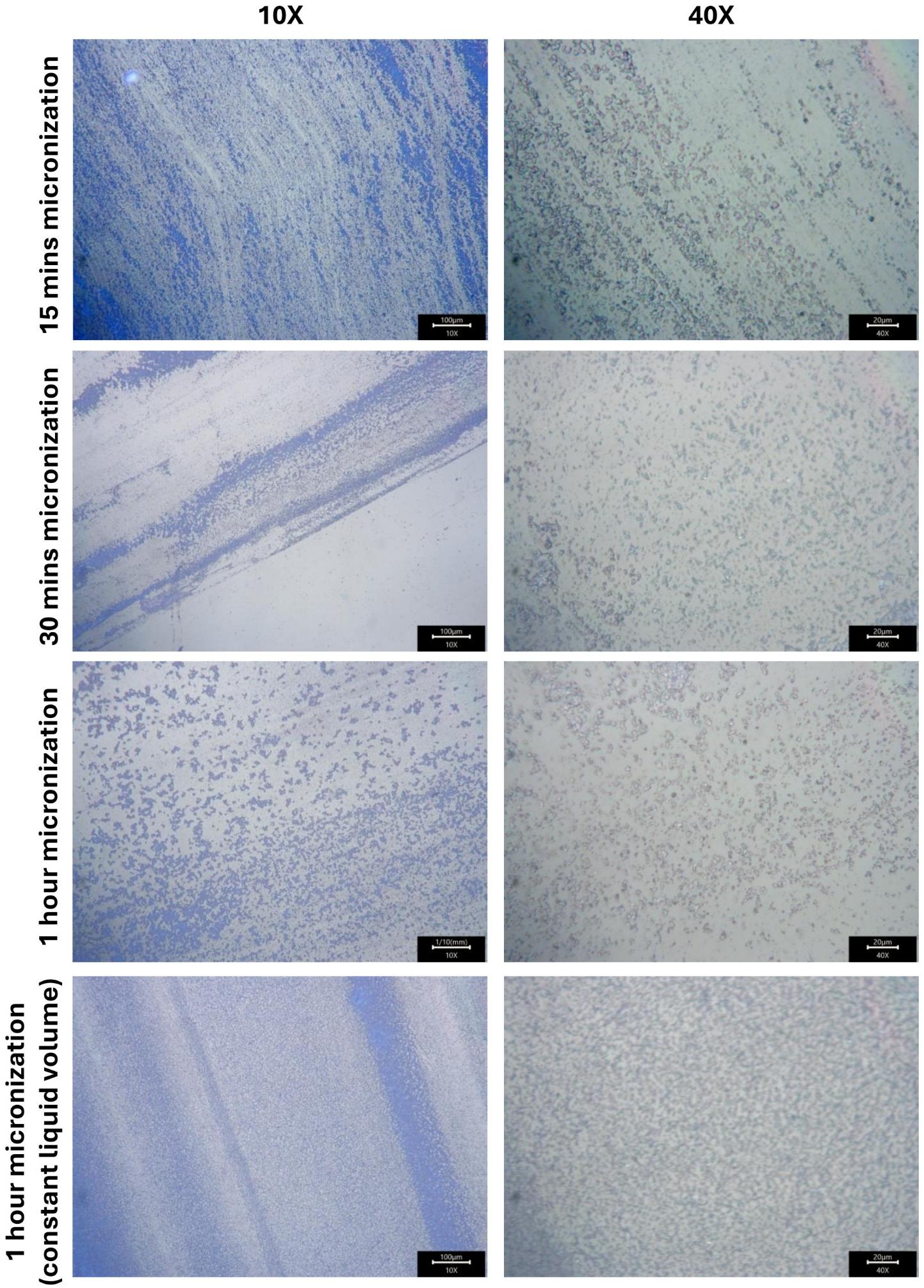
The most effective solution combined controlled stirring and dispersion in liquid media. By optimising mixing duration and maintaining solvent balance, researchers reduced agglomerate sizes to approximately 1–2 µm, enabling successful downstream processing.
This micronisation stage became the foundation for reliable coating performance.
Evaluating Coating Technologies
Several coating approaches were explored to identify a scalable industrial method.
Alternative Methods Tested
- Wet ball milling coating
- Aerosol spray deposition
- Fluidised bed dispersion spraying
While each method provided valuable insight, many produced uneven coatings or independent nano powder clusters rather than true surface adhesion.
These experiments clarified an essential industry lesson:
Successful nano powder coating requires controlled particle motion, surface wetting, and rapid drying under precisely engineered conditions.
The Breakthrough: Fluidised Bed Reactor (FBR) Coating
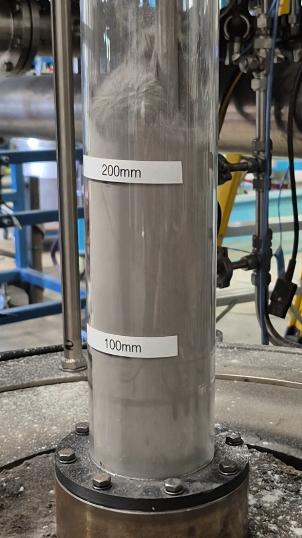
The decisive advance came through optimisation of a fluidised bed reactor (FBR) coating process.
By carefully balancing gas flow, nano powder injection, and fluidisation behaviour, engineers achieved:
- Consistent powder movement
- Effective nanoparticle adhesion
- Minimal agglomerate formation
- Stable processing conditions
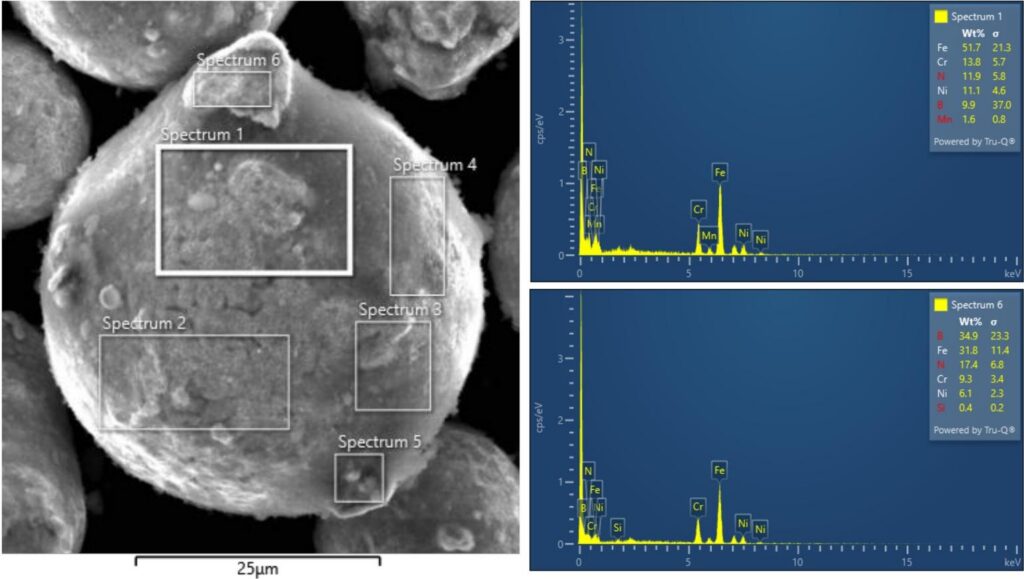
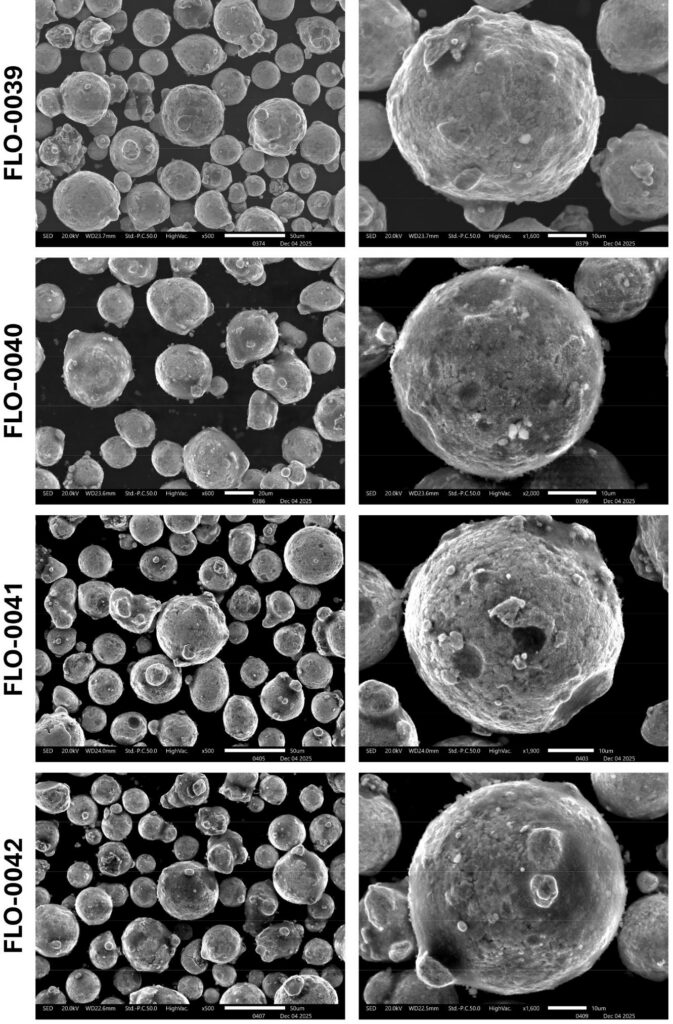
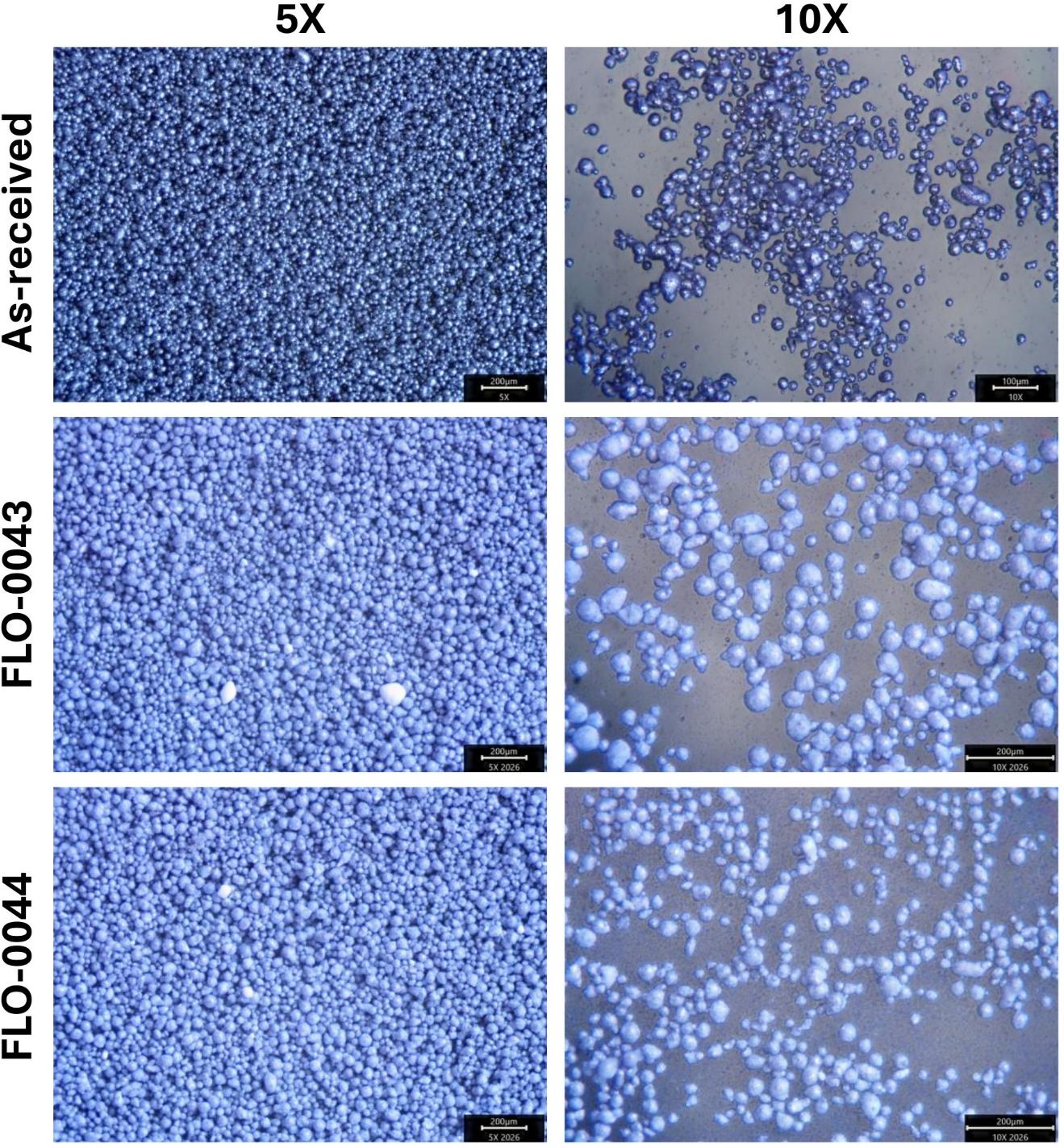
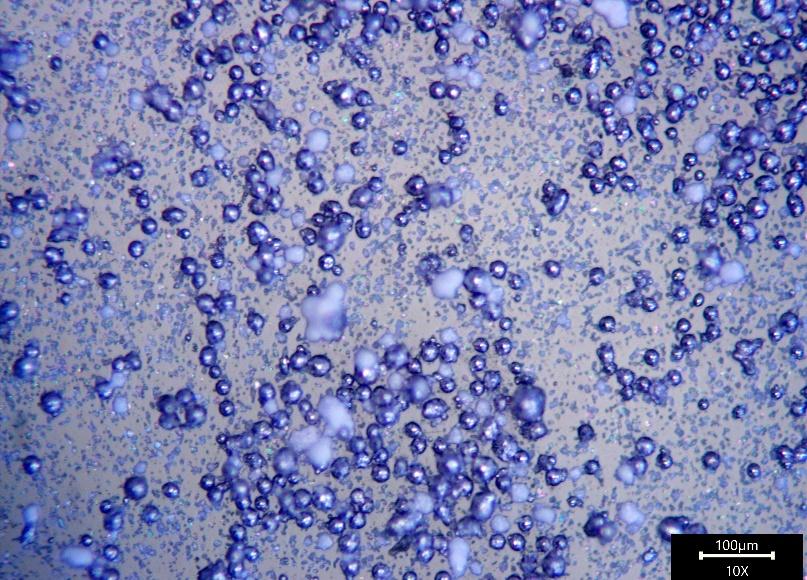
Optical microscopy and SEM analysis confirmed the presence of a boron nitride coating layer across stainless steel particles, evidenced by reduced reflectivity and uniform surface appearance.
From Laboratory to Industrial Production
Perhaps the most significant outcome of the programme was successful scale-up.
Using a larger retort system:
- Fluidisation behaviour matched laboratory trials
- Nanopowder injection remained stable
- Coating quality was maintained
- Two industrial batches of 20 kg coated powder were produced
This demonstrates that nano powder coating, long considered a laboratory-only capability, can be translated into commercial manufacturing environments.
Why This Matters for Additive Manufacturing
The implications extend far beyond a single material system.
Uniform nanoparticle coatings enable the development of next-generation materials such as:
- Oxide dispersion strengthened (ODS) alloys
- High-temperature AM components
- Wear-resistant industrial parts
- Functionally enhanced metal powders
During laser fusion printing, melt-pool dynamics are expected to redistribute nanoparticles throughout the matrix, potentially creating advanced alloy systems without complex alloying routes.
Commercial Impact
This work establishes a new pathway toward industrial adoption of nanoparticle-enhanced powders:
✅ Scalable coating process
✅ Industrial batch production demonstrated
✅ Compatible with existing AM workflows
✅ Platform technology adaptable to multiple materials
The fluidised bed coating approach removes a key bottleneck in additive manufacturing innovation—bringing engineered nano powder materials closer to widespread commercial deployment.
The Future of Engineered Powders
With successful proof-of-concept complete, the next stage focuses on validating performance through laser powder bed fusion printing and mechanical testing.
Continued collaboration between industrial partners aims to refine process optimisation and unlock a new generation of high-performance additively manufactured materials.
The future of additive manufacturing will not be defined solely by printers, but by intelligently engineered powders.